

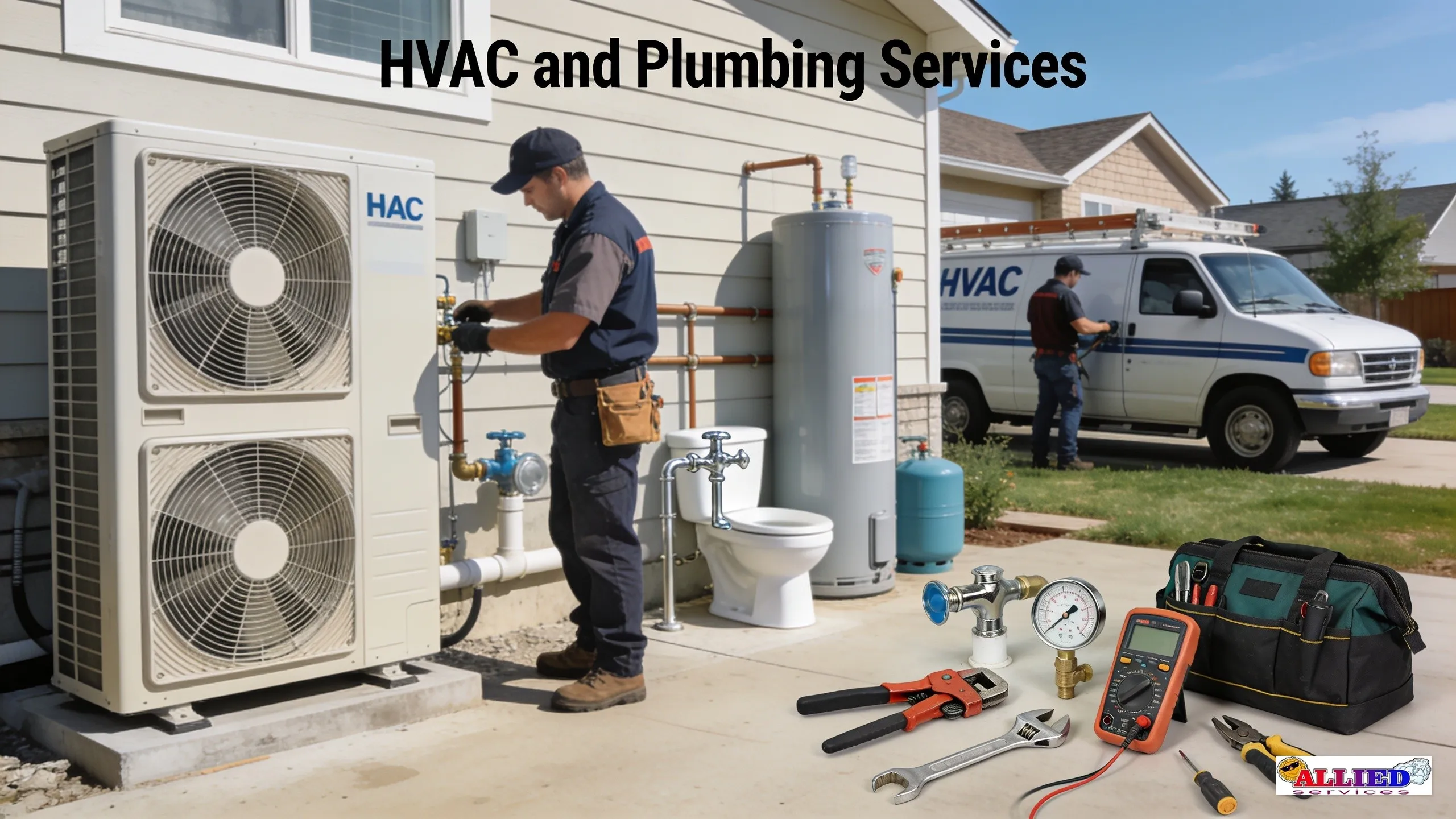
HVAC and Plumbing Services
Choosing the right AC unit starts with understanding your home’s specific needs — and at Allied Services, we have spent more than 60 years helping homeowners in Ardmore, OK make that decision with confidence. Matching BTU ratings to square footage, insulation quality, and local climate is not guesswork; it is a process we walk every customer through, step by step, before any equipment is selected or installed.
We know that an oversized unit cools air too quickly without removing humidity, leaving spaces damp and clammy — and an undersized unit never quite gets there at all. Our factory-certified team evaluates four main AC types — window, portable, mini-split, and central — and helps homeowners weigh efficiency, installation scope, and whether the goal is cooling one room or the whole house. When you work with Allied Services, you get a recommendation built around your home, not a shelf unit chosen at random.
Key Takeaways
- Window air conditioners provide the least expensive cooling option for single rooms and require no major structural changes to install — making them a practical first step for homeowners who need targeted relief without a large upfront investment.
- Four main types of residential air conditioning units exist, and each operates on the principle of removing heat and humidity from indoor air — understanding the differences before purchasing saves time, money, and frustration.
- Portable air conditioners offer genuine flexibility for homes where windows cannot support a traditional mounted unit — they require no permanent installation and can be repositioned as cooling needs shift through the season.
- Mini-split systems cool large spaces with high efficiency and near-silent operation, though they carry a higher installation investment than window or portable alternatives — a trade-off that pays off clearly over time for the right home.
What Do You Need Before Choosing an AC Unit?
Selecting the best AC unit for a home requires three pieces of information gathered before any purchase decision: room square footage, local climate conditions, and current energy usage. Skipping this groundwork leads to expensive mistakes that affect comfort every single day — and we have seen that firsthand at Allied Services after more than six decades of serving homeowners in Ardmore, OK.
Our team has witnessed what happens when the preparation steps get skipped, and the results are never comfortable. We recommend every homeowner work through the following steps before comparing any models:
- Measure every room you intend to cool and record the square footage accurately, because unit capacity is matched directly to floor area. An incorrect measurement at this stage leads to an incorrect unit selection every time.
- Review your utility bills from the past 12 months to understand your energy baseline, since cooling represents a meaningful share of a typical household’s annual utility costs. Understanding that baseline helps evaluate the long-term value of any efficiency upgrade.
- Note your window types and wall openings to determine which AC category — window, portable, or mini-split — physically fits your space. This single step eliminates a significant portion of options that simply would not work in your home.
- Set a comfort priority by deciding whether humidity control, quiet operation, or raw cooling power matters most to your household. That priority drives the selection far more than brand or price alone.
Why Does AC Size Matter So Much?
An undersized unit runs constantly without ever reaching the target temperature, driving up energy usage without delivering comfort. An oversized unit cools the air too fast, leaving behind excess moisture that makes rooms feel damp and clammy — a problem our team at Allied Services resolves regularly for homeowners in Ardmore, OK who purchased the wrong capacity without guidance.
How Does an AC Sizing Guide Help Homeowners?
A proper AC sizing guide matches British Thermal Unit (BTU) output to square footage and prevents the twin failures of under-cooling and over-cooling, protecting both comfort and the long-term efficiency of the system. Pairing correct sizing with an [energy efficient HVAC solution](https://www.alliedservicesardmore.com/save-money-with-energy-efficient-hvac-solutions-today/) delivers the strongest return on investment and keeps operating costs predictable season after season.
Which Type of AC Unit Fits Your Home?
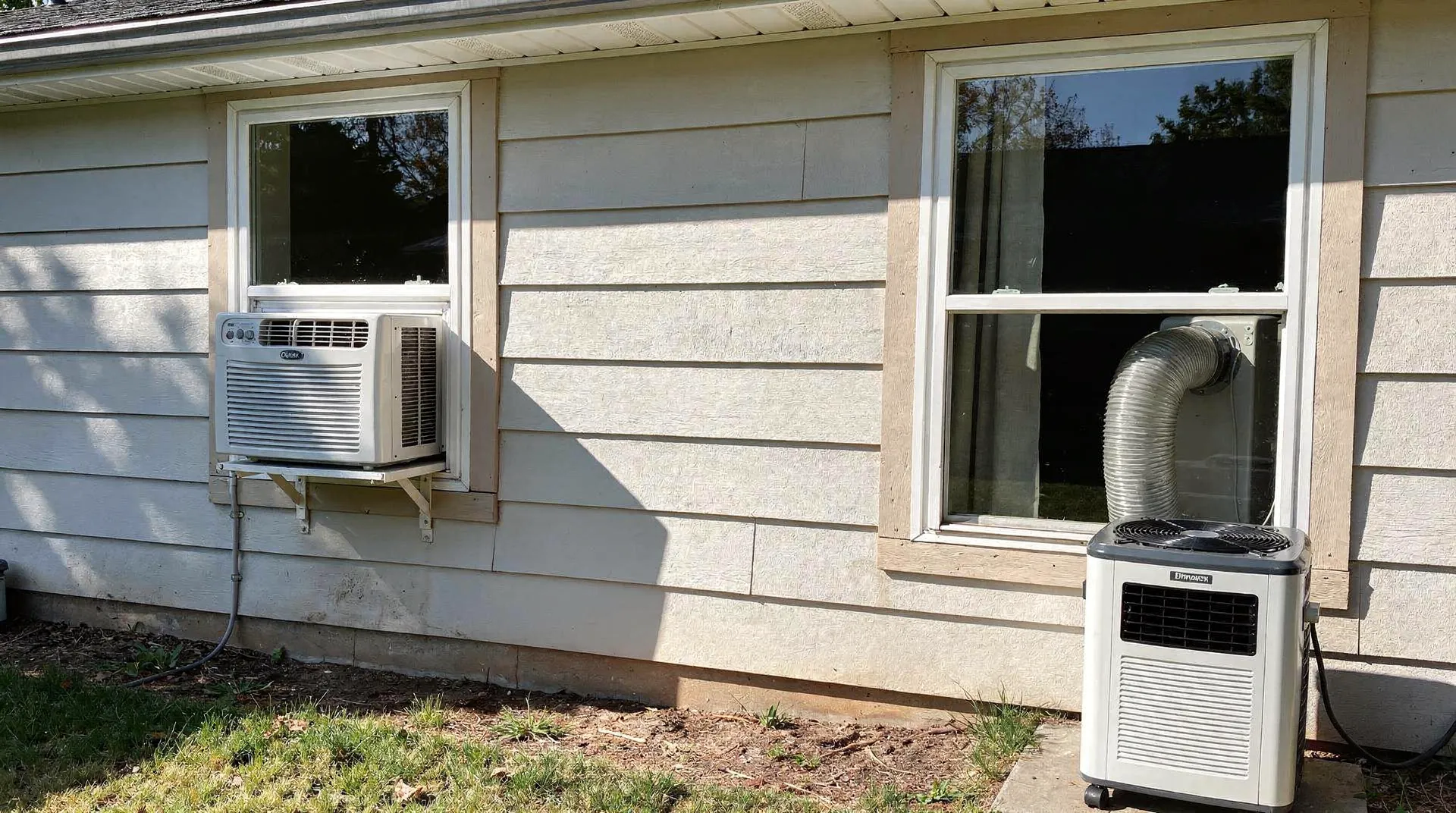
Choosing the best AC unit for a home depends on the space, the window configuration, and the level of cooling needed. At Allied Services, we help homeowners in Ardmore, OK match the right system to their specific situation — from single-room solutions to whole-home comfort — and we start that conversation by narrowing down which of the three main residential AC types actually fits the space.
Window air conditioners are a popular, lower-cost option designed to fit in double- and single-hung windows. They cool individual rooms effectively without major installation work and suit apartments and smaller homes well — making them the most accessible entry point for homeowners who want targeted comfort without a significant commitment.
Portable air conditioners solve a specific and common problem. When windows cannot support a standard window unit, a portable system delivers cooling flexibility without structural changes — simply position the unit, route the exhaust hose, and the space is cooled without any permanent modification to the home.
Mini-split systems occupy a different tier entirely. Though the installation investment runs higher than window or portable units, mini-splits cool large spaces with an efficiency and quietness comparable to central air — and for homeowners who want whole-home performance without ductwork, they are a serious and worthwhile option.
What Is the Easiest AC Unit to Install?
Window units are generally the most straightforward to install, sliding into a compatible window frame with no permanent modifications to the home. Portable units are even simpler to set up since they require no mounting at all — making them the right call when speed and flexibility matter more than long-term permanence.
Which AC Type Offers the Best Long-Term Efficiency?
Mini-split systems deliver the strongest long-term performance for larger spaces, combining high efficiency with quiet, consistent operation. Our team at Allied Services recommends evaluating both the upfront investment and the long-term comfort gain when selecting a system — an energy efficient AC solution chosen today prevents unnecessary wear and higher utility costs for years ahead.
How Do You Correctly Size Your AC System?
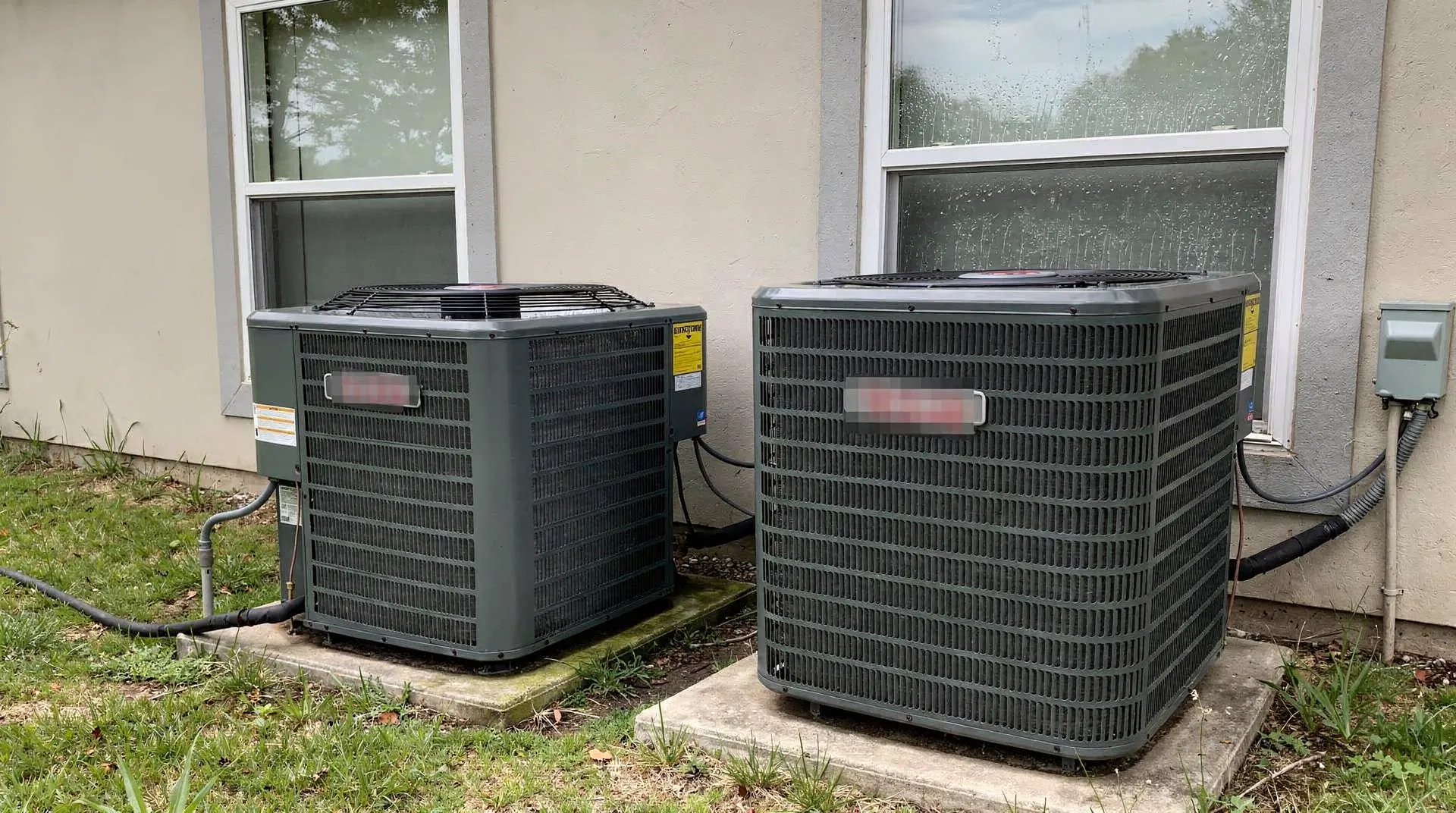
Correct AC sizing is essential to cooling a home efficiently without wasting energy, and it is one of the most impactful decisions we guide our customers through at Allied Services every season. An undersized unit runs constantly and never reaches the target temperature; an oversized unit creates its own set of problems that most homeowners in Ardmore, OK never anticipate until they are already living with the discomfort.
What Happens If Your AC Is the Wrong Size?
Choosing the wrong capacity does real damage to indoor comfort and energy usage. An oversized unit cools the air so rapidly that humidity never gets properly removed, leaving a damp, clammy environment even when the thermostat reads a comfortable temperature — and that outcome is far more common than most buyers expect before speaking with our team.
How Do You Use a BTU Chart to Find the Right Fit?
BTU (British Thermal Unit) is the standard measure of an air conditioner’s cooling capacity, and resources such as ENERGY STAR publish AC sizing guide charts that match BTU output to room square footage. Measure the space accurately before consulting any chart — an incorrect measurement leads directly to an incorrect unit. Our complete range of HVAC services includes professional sizing assessments so homeowners never have to rely on guesswork alone.
Follow these steps to size your system correctly:
- Measure the square footage of the space you need to cool by multiplying room length by room width to get the total area. Accuracy here is non-negotiable — even a modest error compounds into a meaningfully wrong unit selection.
- Account for variables that affect heat load, including ceiling height, sun exposure, and the number of occupants in the space, all of which influence the BTU requirement. South-facing rooms and kitchens, in particular, carry a higher cooling load than their square footage alone suggests.
- Consult a BTU reference chart from a trusted resource such as ENERGY STAR to identify the capacity range appropriate for your measured square footage. This step turns a number into a shortlist of viable units.
- Cross-reference the result against available best AC unit models in that BTU range to narrow your options to equipment that actually fits the space. That shortlist is where the real comparison work begins.
- Schedule a professional assessment with our team at Allied Services so our skilled technicians can confirm that the selected capacity will deliver peak performance in your specific home. Nearly 60 years of serving Ardmore, OK means we have encountered every variable a local home can throw at a sizing calculation.
How Do You Evaluate Energy Efficiency Ratings?
Evaluating energy efficiency ratings starts with understanding what an air conditioner actually does: reduce both humidity and temperature in a living space simultaneously. With energy rates continuing to rise, selecting an energy efficient AC unit is one of the most consequential decisions a homeowner makes for long-term comfort and household budget management — and it is a decision our team at Allied Services is equipped to guide from start to finish.
Our focus is on helping homeowners in Ardmore, OK find the best AC unit for their specific needs, not just the most powerful one on the shelf. Efficiency ratings reflect how well a unit accomplishes both cooling tasks at once — a unit that cools air quickly but fails to pull moisture out leaves a room feeling damp and uncomfortable regardless of what the thermostat reads.
What Steps Should You Follow to Read Efficiency Ratings?
Follow these steps to evaluate any air conditioner’s efficiency rating before purchasing:
- Locate the EnergyGuide label on the unit — this yellow label displays the efficiency rating prominently and is required on all new equipment. It is your fastest reference point when comparing models side by side.
- Identify the rating type — room air conditioners use a CEER (Combined Energy Efficiency Ratio) or EER rating, while central systems use a SEER rating. Understanding which metric applies to the unit you are evaluating keeps the comparison meaningful.
- Compare ratings across models at the same cooling capacity so the comparison is genuinely apples-to-apples. A higher rating on a lower-capacity unit does not translate directly to better performance in a larger space.
- Look for ENERGY STAR® qualification, which indicates the unit meets elevated efficiency standards set by the program. This designation narrows the field quickly and points toward equipment that will perform efficiently over its full service life.
- Factor in humidity removal, not just temperature reduction — a higher rating signals the unit handles both tasks effectively. In a climate like Ardmore, OK, humidity management is as important as raw cooling output.
Does a Higher Efficiency Rating Always Mean Better Performance?
A higher efficiency rating reflects better performance per unit of energy consumed, but the rating alone does not guarantee comfort without proper sizing behind it. An oversized unit cools air faster than it removes humidity, leaving the room clammy rather than comfortable — and our team at Allied Services evaluates both efficiency and sizing together to deliver genuine home comfort that holds up through the season.
What Features Should You Prioritize When Comparing Units?
Selecting the best AC unit for a home requires evaluating operating modes, temperature control, and overall system efficiency before making a purchase. Skipping this step leaves homeowners with equipment that either underperforms on comfort or drives up energy costs unnecessarily — both outcomes we work to prevent at Allied Services for every homeowner we serve in Ardmore, OK.
We recommend working through these steps before committing to any unit:
- Confirm the operating modes available. Many window air conditioners offer multiple modes, including a dedicated cooling mode that reduces both temperature and humidity, plus a fan-only mode for milder days. More modes give homeowners greater flexibility across changing seasons without running the compressor at full capacity around the clock.
- Check for programmable temperature control. Some models allow homeowners to dial in a precise target temperature, and the unit then cycles on and off automatically once the air reaches that preset level. That automatic shutoff is a straightforward way to avoid overcooling, reduce energy consumption, and extend the life of the equipment.
- Review the unit’s energy efficiency rating. An energy efficient AC carries a higher efficiency rating, which directly reduces monthly operating costs — look for recognized efficiency designations on the product label before purchasing. Over the life of the unit, that rating difference adds up to a meaningful amount on utility bills.
- Match the unit to your space using an AC sizing guide. An oversized unit cools air faster than it removes moisture, leaving rooms feeling damp and clammy regardless of how efficient the unit is on paper. Getting the size right is the foundation everything else is built on.
Does the Number of Operating Modes Really Matter?
Operating modes give homeowners meaningful control over comfort without running the compressor at full capacity around the clock. A fan-only mode, for example, circulates air on mild evenings without triggering a full cooling cycle — reducing wear on the system over time and keeping energy consumption in check on days when full cooling is not necessary.
How Does Automatic Temperature Control Improve Efficiency?
When a unit cycles off once the air reaches a set temperature, the compressor avoids unnecessary run time and the system’s components are preserved. That automatic shutoff keeps energy consumption in check and extends the equipment’s working life — a practical benefit that compounds meaningfully over years of daily use. Our team provides a complete range of air conditioning services to keep every system running smoothly and efficiently throughout the season.
How Do You Assess Installation Requirements and Costs?
Assessing installation requirements starts with matching the right system type to the space being cooled, and the complexity of that installation varies significantly depending on which AC system a homeowner selects. At Allied Services, we help homeowners in Ardmore, OK understand exactly what each option involves before any work begins — so there are no surprises once the project is underway.
Which AC System Is Easiest to Install?
A window air conditioner is a straightforward alternative to a full central air conditioning system when whole-home cooling is not the goal. Window units suit single rooms or smaller spaces without requiring major structural work, making them a practical starting point for homeowners who want targeted comfort without a large upfront commitment.
When Does a More Complex Installation Make Sense?
When a space is larger or whole-home efficiency is the priority, installation requirements shift considerably, and mini-split systems become the stronger option. They deliver efficiency and quiet operation comparable to central air for larger spaces — and that trade-off between a higher installation investment and long-term performance is worth evaluating carefully before committing to any system.
Follow these steps before scheduling any installation:
- Measure the square footage of every room or zone that needs cooling so the system type and capacity selection are grounded in real numbers. Estimates made without measurements regularly lead to equipment that underperforms or over-runs.
- Identify window availability and structural constraints that affect unit placement, since these factors determine which AC types are physically viable for the space. A room without a compatible window, for example, eliminates window units entirely and shifts the conversation to portable or mini-split options.
- Determine whether single-room or multi-zone coverage is the goal, because that decision shapes both the system type and the scope of the installation. Multi-zone needs almost always point toward a mini-split or central system.
- Contact Allied Services to discuss system options suited to the space — we offer free estimates for HVAC service in Ardmore, OK so homeowners can plan their investment with full clarity before any work begins.
How Do You Verify the Unit Before Final Purchase?
Verifying an air conditioning unit before final purchase means confirming that every core component meets performance standards — not just the exterior appearance. Skipping this step leaves homeowners with hidden mechanical issues that shorten equipment life and drive up repair costs over time, and it is a step our team at Allied Services treats as non-negotiable before any installation we complete in Ardmore, OK.
Before any inspection begins, confirm that the unit is powered off and fully accessible. Then follow these steps in order:
- Examine the compressor for signs of corrosion, unusual noise, or physical damage, since the compressor is the heart of any cooling system and its condition determines the unit’s long-term reliability. A compromised compressor at purchase is a repair cost waiting to happen.
- Inspect the fan motor to confirm blades spin freely and show no visible wear that would affect airflow or put strain on the system. A fan motor in poor condition reduces cooling performance even when every other component is functioning correctly.
- Check the evaporator unit for frost buildup, debris, or refrigerant leaks that signal deeper problems requiring attention before the unit is put into service. These are often signs of issues that have been present for some time and will only worsen under regular use.
- Review the service history to determine whether the unit has received routine maintenance, which directly affects how long the equipment will continue to function reliably. A well-maintained unit with documented service history is a far safer investment than one without records.
- Confirm the unit’s overall condition aligns with the expected operational life for that equipment type, factoring in both age and service record. Our factory-certified team conducts thorough pre-purchase inspections that give homeowners the assurance they need before committing.
Why Does Routine Inspection Matter for Long-Term Performance?
Air conditioning equipment undergoes natural wear and tear over time, and regular inspection and service allow a unit to function at its best while extending its working life. Units that miss routine service deteriorate faster and fail sooner — a pattern we see consistently at Allied Services, and one that proper maintenance planning prevents entirely.
Who Should Perform the Pre-Purchase Inspection?
We recommend having a qualified professional conduct the final verification — our service technicians at Allied Services have passed thorough background checks and maintain a drug-free standard, so every inspection we perform is honest and complete. A professional examines the compressor, fan motor, and evaporator unit with the trained eye that a visual walkthrough simply cannot replace, and the peace of mind that comes from knowing the work was done right is worth every bit of the investment.
What Are the Most Common AC Selection Mistakes?
The two most common AC selection mistakes are choosing a unit that is too small for the space and choosing one that is too large — and both sizing errors cause real comfort problems that are entirely avoidable with the right guidance. At Allied Services, we work with homeowners in Ardmore, OK every season to correct these mistakes before they become costly failures.
Does AC Unit Size Actually Matter That Much?
Size matters more than most homeowners expect, and the consequences of getting it wrong run in both directions. An undersized unit struggles to keep a room cool during peak summer heat, running constantly without ever reaching a comfortable temperature; an oversized unit drops the air temperature so fast that moisture never gets properly removed, leaving the space cold and clammy rather than genuinely comfortable.
Follow these steps to avoid the most common sizing errors:
- Measure the room’s square footage before researching any unit — length multiplied by width gives you the number you need, and that number is the foundation of every sizing decision that follows. No rule of thumb or rough estimate can substitute for a real measurement.
- Consult an AC sizing guide to match your square footage to the correct BTU output for your climate zone, since Ardmore, OK summers demand a specific capacity range that general national averages do not always reflect accurately.
- Resist the urge to go bigger — a larger unit does not cool faster or better; it simply fails to dehumidify the space properly and creates a clammy indoor environment that undermines comfort even on the hottest days.
- Account for heat sources such as south-facing windows or kitchen proximity, which increase the cooling load beyond what square footage alone would suggest. Failing to factor these in is one of the most common reasons a correctly sized unit on paper ends up underperforming in the real space.
What Happens If You Skip Proper Sizing?
Skipping proper sizing leads directly to discomfort, higher energy usage, and premature equipment wear — and choosing an energy efficient AC only delivers its full benefit when the unit is correctly matched to the space. Our factory-trained team at Allied Services provides quick, reliable AC service across Ardmore, OK so sizing mistakes get corrected before they become long-term, costly failures.
FAQ
What information do you need before choosing an AC unit?
Gather your room’s square footage, local climate conditions, and current energy usage before comparing any models. Skipping these steps leads to expensive mistakes that affect comfort every single day — and our team at Allied Services is always available to walk homeowners in Ardmore, OK through this process before any purchase decision is made.
Why does AC unit size matter?
An oversized unit cools air too quickly without removing humidity, leaving rooms damp and clammy. An undersized unit runs constantly without ever reaching the target temperature, driving up energy usage without delivering the comfort your household deserves.
Which AC type works best for homes where windows cannot support a mounted unit?
Portable air conditioners are the right solution when windows cannot accommodate a standard window unit. They require no permanent installation, can be repositioned as needed, and deliver consistent cooling without any structural modifications to the home.
How do I know which efficiency rating to look for?
Room air conditioners use a CEER or EER rating, while central systems use a SEER rating — both are displayed on the EnergyGuide label required on all new equipment. Look for ENERGY STAR® qualification as a reliable shortcut, since it identifies units that meet elevated efficiency standards and will keep operating costs manageable over time.
Does Allied Services offer professional sizing assessments?
Yes — our team at Allied Services provides professional sizing assessments as part of our broader HVAC services in Ardmore, OK. We evaluate your home’s square footage, insulation, sun exposure, and local climate to recommend the right unit and capacity before any equipment is purchased or installed.
Ready to Find the Right AC Unit for Your Home?
At Allied Services, we have spent more than 60 years helping homeowners in Ardmore, OK choose, install, and maintain the air conditioning systems that keep their homes genuinely comfortable. Whether you are replacing an aging unit, cooling a new space, or simply trying to make sense of the options, our factory-certified team is ready to guide you through every step — from sizing and selection all the way through installation and long-term service. Request a free estimate today and let us help you find the system that fits your home, your comfort goals, and your budget.